How Auto Insurance Claims Work After an Accident
The terms and the order of events, explained in plain words, so the paperwork stops feeling like a second accident.
October 14, 2026 · 4 min read
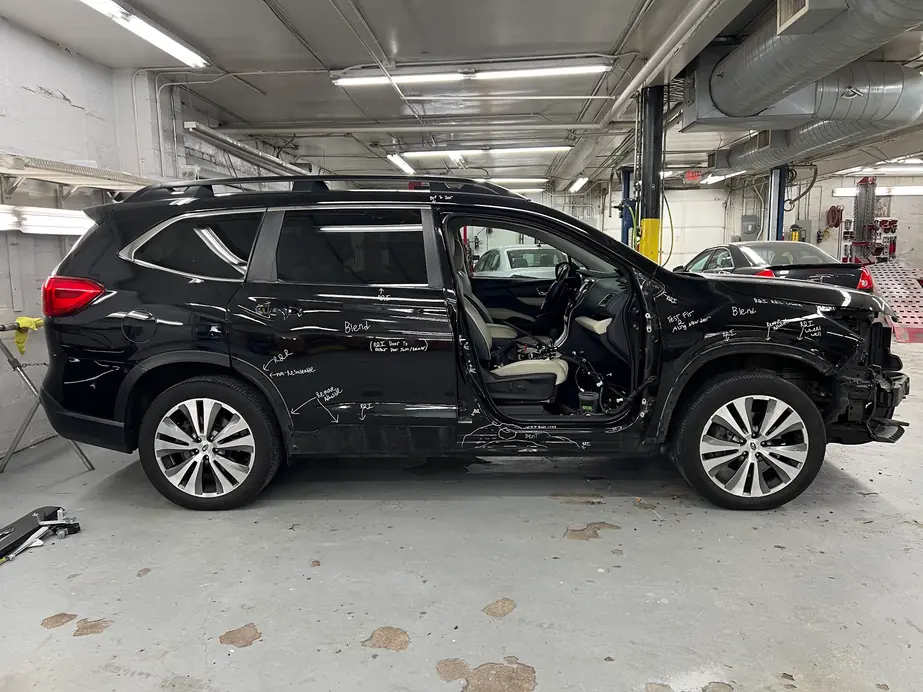
An accident is bad enough without a pile of unfamiliar terms arriving by phone and email. Claim numbers, adjusters, deductibles, supplements. None of it is difficult once someone explains it in plain words, so this post does that, in the order you are likely to meet it. It is general information, not legal or financial advice, and your own policy always has the final word on what is covered.
The first call and the claim number
After everyone is safe and the scene is handled, you report the accident to an insurer. That might be your own company or the other driver's, depending on who was at fault. The insurer opens a claim and gives you a claim number. Keep it handy, because every estimate, photo, and phone call after this point gets tied to it. Write down the name and direct line of each person you speak with, along with the date.
From there, the usual order of events looks like this.
- Make sure everyone is safe, then report the accident and get a claim number.
- Take photos of the damage and the scene, and write down the details while you remember them.
- Choose your repair shop and set up an estimate.
- The shop sends the estimate to your adjuster and coordinates approval.
- You approve the repair plan once the insurer and the shop agree on the scope.
- If more damage turns up during teardown, the shop requests a supplement.
- You pick up the car, look the work over, and pay your deductible.
Words you will hear, in plain English
- Adjuster: the insurance company's representative who reviews the damage and decides what the policy will pay for.
- Deductible: the amount you pay toward a covered repair before your coverage pays the rest.
- Estimate: a written list of the repairs needed and what they cost, based on the damage that can be seen.
- Supplement: an added request to the insurer when the shop finds more damage after taking the car apart.
- Total loss: the insurer decides the car is worth less than the repair would cost, and pays you its value instead.
- Claim number and policy number: the first identifies this accident, the second identifies your coverage.
If a term comes up that you don't recognize, ask. Adjusters talk about claims all day and sometimes forget that you don't. Asking what a word means is not a sign that you're behind. It is a sign that you intend to stay involved in your own claim.
Your insurer or the other driver's
If the other driver caused the accident, you can usually deal with their insurer, though many people prefer to start with their own company because it is a relationship they already have. Your own collision coverage pays for your repair regardless of fault, minus your deductible, and your insurer may then try to recover its costs from the other side. Which route fits depends on who was at fault, what coverage each driver carries, and how quickly you need the car back. Ask your adjuster to explain the options before you choose one.
You choose the repair shop
Insurers often suggest shops from a preferred list. That is a suggestion, not a rule. In Minnesota, you have the legal right to choose your own repair shop, regardless of what your insurer recommends. Pick the shop you trust, and tell your adjuster where the car is going.
New Central Auto Body works with all insurance companies and deals with the adjuster directly. The shop communicates with your adjuster, submits the estimate, and coordinates approvals, so you are not stuck on hold or filling out forms by yourself.
When the first estimate is too low
Insurance companies often issue an initial estimate based on the damage that can be seen from the outside. Once a technician removes a bumper cover or a fender, more damage frequently turns up: a bent bracket, a cracked sensor mount, a crushed absorber. At that point the shop sends the insurer a supplement with photos and documentation, and the insurer reviews it. This is a normal part of the process and does not mean anyone did something wrong. You should not be left paying the difference for damage the accident caused and your policy covers, though your deductible still applies.
Keep your own paper trail through all of this. Save the estimate, the supplement, any emails from the adjuster, and the photos you took at the scene. If a question comes up later about what was agreed and when, you will be glad to have it in one place.
Skipping insurance altogether
You are never required to file a claim. If the damage is small, or the deductible is close to the repair cost, paying out of pocket may make more sense, and a claim can affect your premiums depending on your policy and your insurer. New Central Auto Body welcomes self-pay jobs with upfront pricing and no obligation to involve insurance at all. Final pricing is confirmed after an in-person inspection of the car.
Not sure which way to go? Call (612) 827-2589 or book a free estimate with New Central Auto Body. Bring your questions about the estimate and your options, claim or no claim, and you will get straight answers.
New Central Auto Body, (612) 827-2589
Call (612) 827-2589More articles
What Is Collision Repair?
A plain-language look at what a body shop does between the day you drop the car off and the day you drive it home.
When Is a Car a Total Loss?
Hearing that your car is totaled is hard, and knowing how the decision gets made puts you in a better position to respond.