When Is a Car a Total Loss?
Hearing that your car is totaled is hard, and knowing how the decision gets made puts you in a better position to respond.
October 14, 2026 · 4 min read
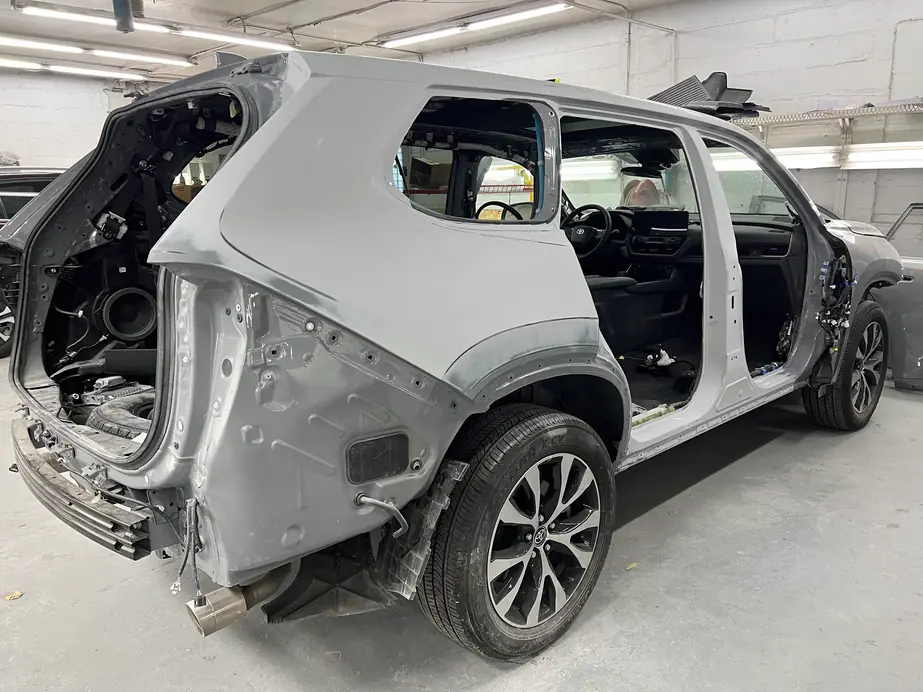
Few phrases land harder than hearing your car is a total loss. It can sound as if someone is saying the car is finished, that nothing can be done. In practice it is a financial decision, and understanding how it gets made helps you ask better questions and avoid surprises. This post explains what the label means, what influences it, and what you can do if it lands on your car.
What total loss actually means
A car is declared a total loss when the insurer decides that repairing it would cost too much compared with what the car is worth. Instead of paying for repairs, the insurer pays you the value of the vehicle, less your deductible, and the car goes to the insurer. The shop does not make this call, and neither do you. The insurer decides, and that is true whether the damage looks dramatic or modest from the outside.
That last part surprises people. A newer car with heavy sensor and airbag damage can be totaled, while an older car with a crumpled corner might be repaired. Appearance and cost are different things, and the cost side is what counts.
How insurers compare repair cost and value
The comparison is between the estimated cost of repair and the car's actual cash value, which is roughly what a similar vehicle would sell for in your area just before the accident. Some insurers use a percentage of that value as their cutoff. There is no single number that applies to every car and every company. Thresholds vary by carrier, and some also weigh what the damaged car could be sold for at salvage. So two cars with similar damage can end up with different outcomes depending on who insures them.
What pushes a repair toward a total
Several things feed into the math. Any one of them can tip a close call.
- Age and mileage: an older car has a lower cash value, so a repair bill reaches that value sooner.
- Market value and condition: the same model can be worth very different amounts depending on trim, upkeep, and local demand.
- Parts availability: hard-to-find parts can raise the cost and stretch out the repair.
- Hidden damage: frame, structural, or electronic damage often shows up only after teardown.
- Airbag deployment and sensor damage: these can add a lot to the cost of a car that looks only cosmetically hurt.
- Vehicle technology: calibrating driver assistance systems adds to the bill on newer cars.
None of these decides the outcome alone. The adjuster adds everything up and compares it with the value the insurer has settled on for your car.
Why a shop's estimate matters
An insurer's first estimate is built on the damage that can be seen. If a technician finds more damage once panels come off, the repair cost goes up, and that can move a borderline car in either direction. A detailed estimate from the shop, with photos of what is underneath, gives the adjuster better information to work with. It is also a good reason to have the car looked at by a shop before you assume the worst.
New Central Auto Body will walk you through your estimate and help you understand your options, whether the car ends up repaired or totaled. If the numbers are close, a clear explanation of what the repair involves helps you decide what to ask your adjuster.
If your car is declared a total loss
You do not have to accept the first number without looking at it. Ask the insurer how it arrived at the car's value and which comparable vehicles it used. Check that the trim level, mileage, options, and condition are described correctly. If you have records of recent work, such as new tires or a major repair, share them. If you think the value is off, say so and ask what documentation the insurer would accept.
Ask about your loan too, if you have one. A lender is typically paid first, and if you owe more than the car is worth, gap coverage on your policy or loan may matter. Check your paperwork before the claim closes rather than after.
You can also ask whether keeping the car is an option. Some owners prefer to keep a vehicle and have it repaired, and some insurers allow that, usually by reducing the payout by the car's salvage value. Rules about titles for cars that were totaled are set by the state, so ask your insurer what would apply to your situation before you decide.
When the numbers are close
Sometimes the repair cost lands near the line, and a more accurate estimate can matter. Decisions made on a first look can change after teardown, and you can talk with your adjuster about what you want. If the car is repairable and you would rather keep it, ask directly whether repair is on the table and what the shop's estimate says.
If you are unsure where your car stands, call New Central Auto Body at (612) 827-2589 or book a free estimate. The estimate is free with no obligation, and final pricing is confirmed after an in-person inspection.
New Central Auto Body, (612) 827-2589
Call (612) 827-2589More articles
What Is Collision Repair?
A plain-language look at what a body shop does between the day you drop the car off and the day you drive it home.
How Auto Insurance Claims Work After an Accident
The terms and the order of events, explained in plain words, so the paperwork stops feeling like a second accident.