Why Some Paint Repairs Match and Others Don't
The difference between a repair you can't find and one you spot from across the parking lot comes down to a few specific steps.
October 14, 2026 · 4 min read
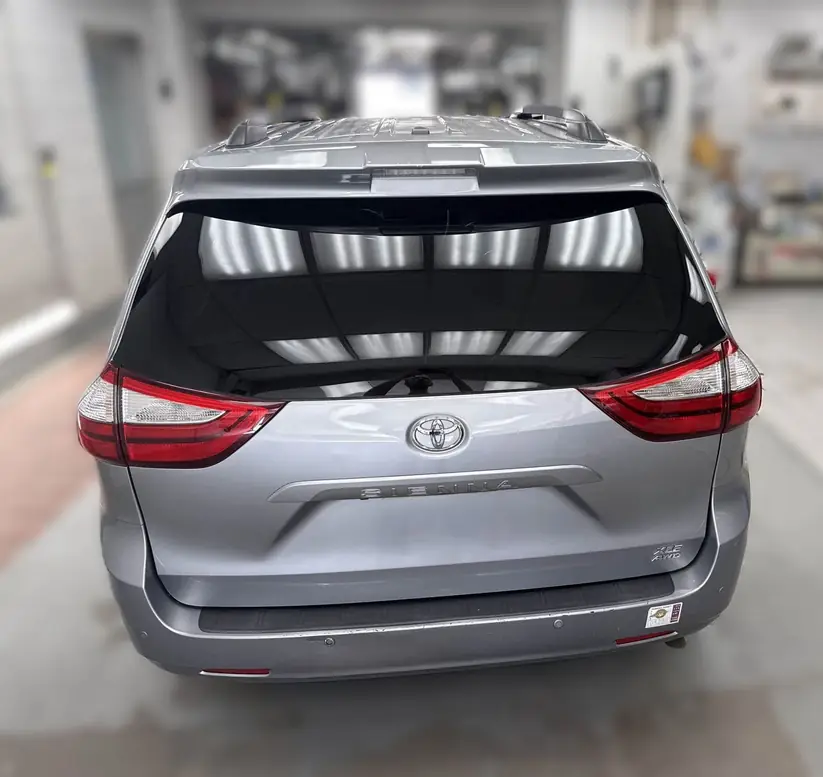
You have probably seen it on the road: a repaired door that is a shade off from the fender beside it, or a bumper that looks slightly flat next to the quarter panel. Other repairs are so good that you would never know anything happened. The difference is rarely luck. It comes down to how color works, how paint ages, and how much care goes into the last stage of the job.
A paint code is a starting point
Every vehicle carries a paint code that identifies the color the factory intended. Mix that formula exactly and you still may not match the car in your driveway. Factories run more than one batch of a color, and the same code can look slightly different from one production run to the next. Then the car spends years outdoors. Sun, road salt, winter grit, and car washes all change the finish gradually, so a ten year old silver sedan is no longer the color on the chip chart.
That is why a good refinish starts with the car itself, not just the formula. The technician checks the existing paint, in daylight when possible, and adjusts the mixture toward what is actually there.
What careful color matching involves
Metallic and pearl colors are the hardest, because they contain tiny flakes that reflect light. How those flakes lie in the paint depends on how it is sprayed, how thick it goes on, and how quickly it dries. A slight change in technique can make the same mixture look lighter from one angle and darker from another. Careful matching usually follows a pattern like this.
- Reading the paint code and mixing a first formula from it
- Spraying a test card and comparing it with the car in natural light
- Tinting the mixture a little at a time until the card disappears against the panel
- Matching the spray technique, so the flakes lay down the way the factory's did
- Applying clear coat to match the gloss of the surrounding panels
The test card is the unglamorous step that separates a decent job from a great one. If the card does not vanish against the panel, the mixture is not finished yet.
Blending is why the next panel gets paint too
Customers sometimes ask why a shop wants to paint part of a door that was never damaged. The answer is blending. Instead of ending the new color at a hard edge, where even a tiny difference shows, the painter fades it gradually into the neighboring panel or into the undamaged part of the same panel. The eye forgives a gradual change far more readily than a sharp line. It also explains why a repair estimate can include a panel next to the one that was hit.
Where mismatches come from
When a repair does not match, there are a few usual suspects.
- Skipping the blend and stopping the new paint at a visible edge
- Mixing from the code alone without checking it against the aged paint
- Painting in poor light, so differences are not visible until the car is outside
- Uneven clear coat thickness or gloss between panels
- Dust or texture that differs from the surrounding finish
- Rushing the process so the finish looks different once the car leaves the shop
Texture deserves its own mention. Factory paint has a slight surface pattern, often called orange peel, and a refinish should echo it. A panel that is too smooth or too rough catches light differently and reads as a different color even when the pigment is right.
How to judge a paint repair before you accept it
Do not judge the car under shop lights alone. Ask to see it outside in daylight, then walk around it. View each repaired panel from a few feet away and from low angles, since metallic finishes shift with the viewing angle. Look at the edges where new paint meets old, and run your eye along the body line to check for changes in gloss. A car that looks right from every angle in daylight is a car you can drive away with.
Panel gaps, trim fit, and clean lines around glass and badges also tell you how carefully the whole job was done. Paint is the last thing to go on, so any shortcut earlier in the repair tends to show up here.
Questions worth asking your shop
Ask whether the paint will be blended into neighboring panels, and why. Ask how the color gets checked before it goes on the car. Ask what to do if you spot a difference once you are home. A shop that likes these questions is confident in its process. At New Central Auto Body, paint and refinishing work aims to blend with your vehicle's original finish, and you are welcome to ask what that looks like for your car.
If a past paint repair has bothered you, or you have a new dent and want to avoid that outcome, call New Central Auto Body at (612) 827-2589 or book a free estimate.
New Central Auto Body, (612) 827-2589
Call (612) 827-2589More articles
What Is Collision Repair?
A plain-language look at what a body shop does between the day you drop the car off and the day you drive it home.
How Auto Insurance Claims Work After an Accident
The terms and the order of events, explained in plain words, so the paperwork stops feeling like a second accident.